
LED Video Wall Buying Guide
Compare pixel pitch, LED display technologies, brightness, refresh rate, power consumption, lifespan, pricing and supplier selection before planning your LED video wall project.
What You’ll Learn in This LED Video Wall Buying Guide
A practical guide to the key decisions behind an LED video wall project — from pixel pitch and display technology to pricing, lifespan and supplier selection.
Pixel Pitch
Choose the right viewing distance and resolution for your project.
LED Video Wall Price
Understand the key factors that influence LED video wall project cost.
COB vs SMD
Compare LED display technologies for different applications and environments.
Refresh Rate
Select the right refresh rate for cameras, video and professional AV use.
Power Consumption
Estimate energy use and operating costs before planning your installation.
Lifespan
Understand LED lifespan, maintenance and long-term performance factors.
Supplier Selection
Evaluate manufacturers and suppliers beyond price and specifications.
Applications
Match LED display solutions to meeting rooms, control rooms, stages and more.
How to Choose the Right Pixel Pitch for an LED Video Wall
Pixel pitch affects viewing distance, image detail and project cost. The right choice depends on how close viewers are to the screen and what type of content will be displayed.
Viewing Distance
The closer the audience, the smaller the pixel pitch required. Match the screen resolution to the typical viewing distance in your space.
Image Detail
A smaller pixel pitch delivers higher resolution and clearer visuals, which is important for fine text, data and close-up viewing.
Project Cost
Finer pixel pitch usually means higher cost. Choose the right balance between image quality, screen size and budget.
Pixel Pitch Selection Guide
Recommended pixel pitch based on viewing distance and application scenarios.
| Viewing Distance | Suggested Pixel Pitch | Typical Applications |
|---|---|---|
| 1–2 m | P0.9–P1.5 | Meeting rooms, control rooms, executive boardrooms |
| 2–4 m | P1.5–P2.5 | Conference rooms, retail stores, showrooms |
| 4–8 m | P2.5–P4 | Auditoriums, hotels, houses of worship, stages |
| 8 m+ | P4+ | Large venues, outdoor displays, stadiums |
Viewing distance, screen size, content type and budget should be evaluated together to find the right solution for your project.
What Determines LED Video Wall Price?
LED video wall price is influenced by more than screen size. Pixel pitch, display technology, cabinet design, control systems, installation and long-term service can all affect the final project cost.
Pixel Pitch
Finer pixel pitches generally require more LEDs and higher manufacturing precision.
Display Technology
COB, SMD and other LED technologies have different cost structures and performance characteristics.
Screen Size & Resolution
Total display area and required resolution directly affect the quantity of LED modules and cabinets.
Control & Installation
Controllers, mounting structures, cabling and installation requirements should be included in the project budget.
Service & Lifecycle
Spare parts, maintenance access, warranty and long-term support affect the total cost of ownership.
Compare project cost, not just price per square meter.
Two LED video walls with the same size and pixel pitch can have very different final costs depending on system configuration, installation and long-term support.
COB vs SMD: Which LED Display Technology Fits Your Project?
COB and SMD can both be used for LED video walls, but they serve different project priorities. Viewing distance, pixel pitch, environment, maintenance requirements and budget should all be considered before choosing.
COB LED Display
Fine Pixel Pitch
Well suited to fine-pitch LED video walls where viewers are close to the screen.
Surface Protection
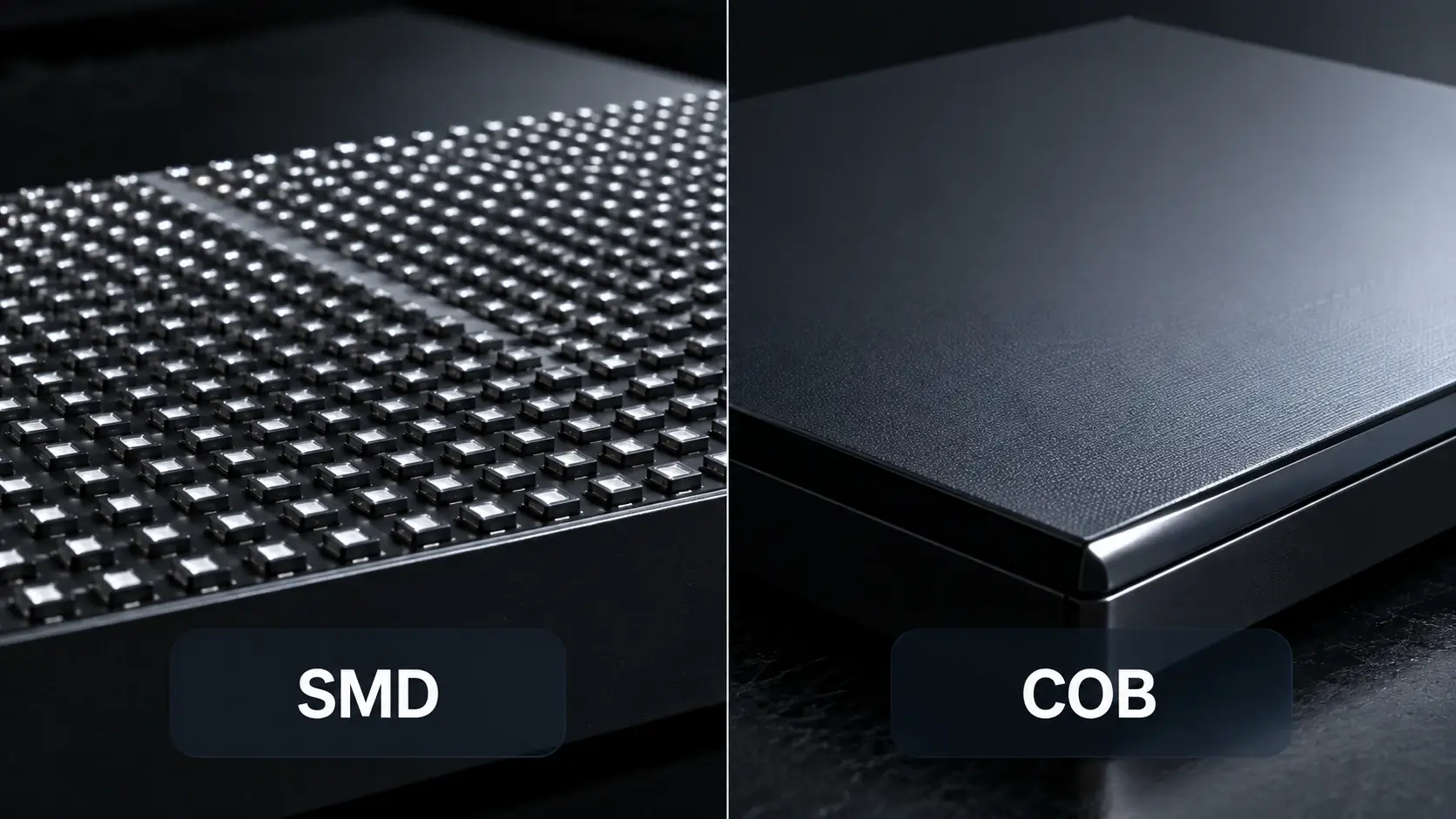
The encapsulated surface provides better protection against dust, moisture and accidental contact.
Visual Comfort
A matte COB surface can reduce reflections and improve perceived contrast in indoor environments.
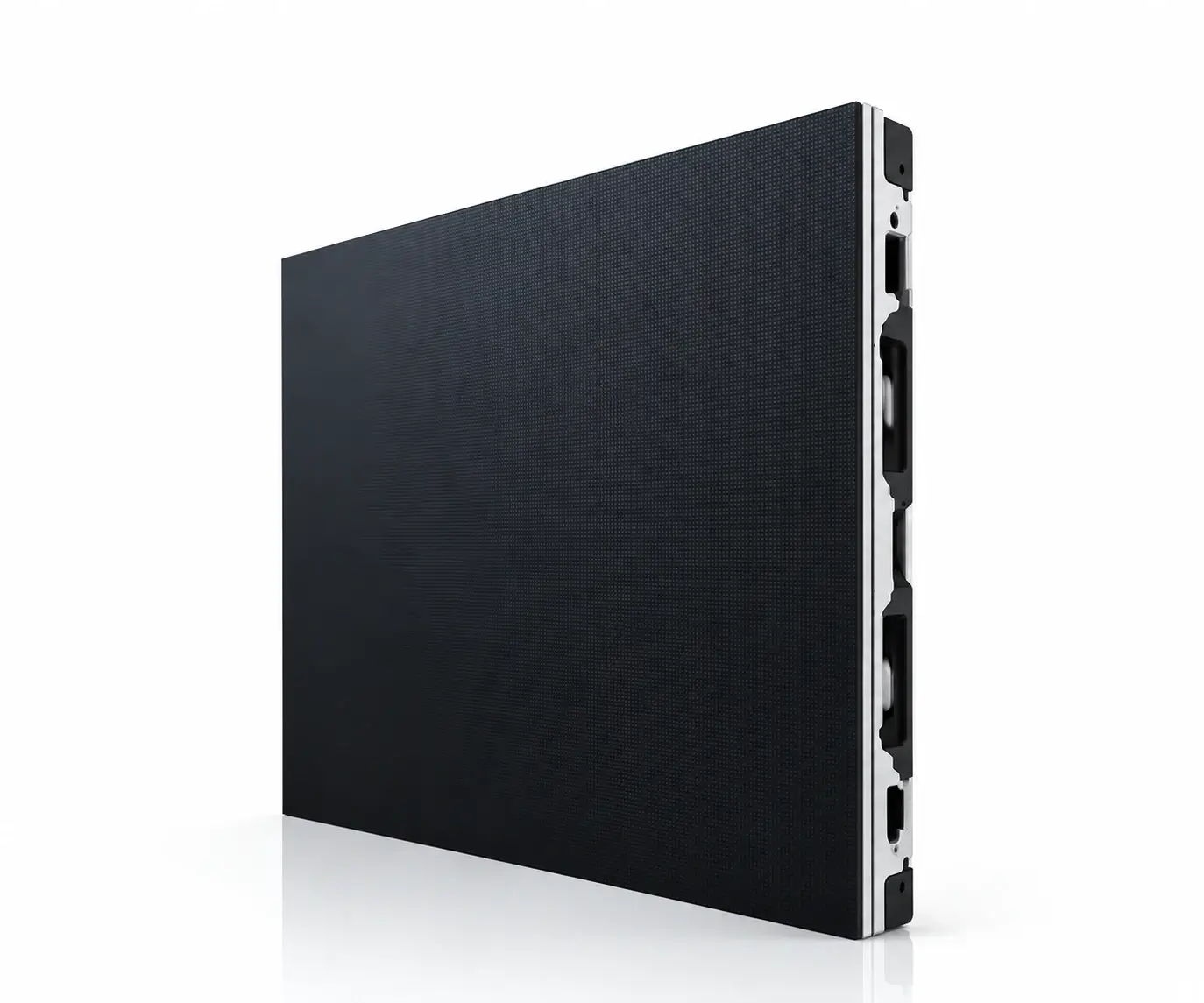
Typical applications: Meeting rooms, control rooms, executive spaces and professional visualization.
SMD LED Display
Broad Pixel Pitch Range
Available across a wide range of indoor, outdoor and rental LED display applications.
Established Serviceability
Individual LEDs and conventional modules can be easier to service depending on the product design.
Cost Flexibility
A mature supply chain provides more choices across different project budgets and specifications.
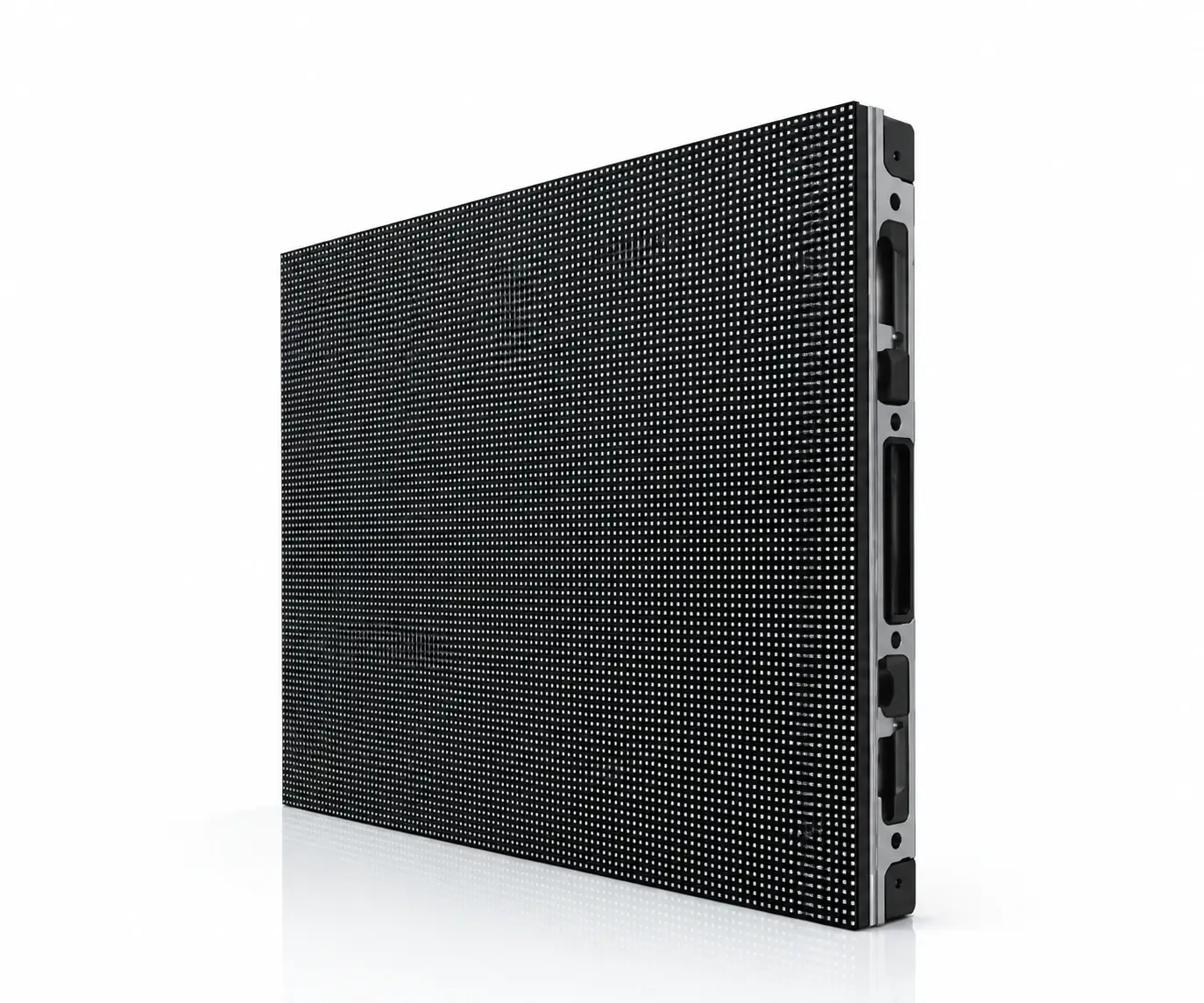
Typical applications: Stages, rental events, auditoriums, commercial displays and outdoor LED screens.
There is no single “better” LED technology for every project.
COB is often a strong choice for fine-pitch, close-viewing applications, while SMD remains practical across many conventional, rental and outdoor projects. Start with the application requirements rather than the technology name.
Refresh Rate: Smoother Display, Better Visual Experience
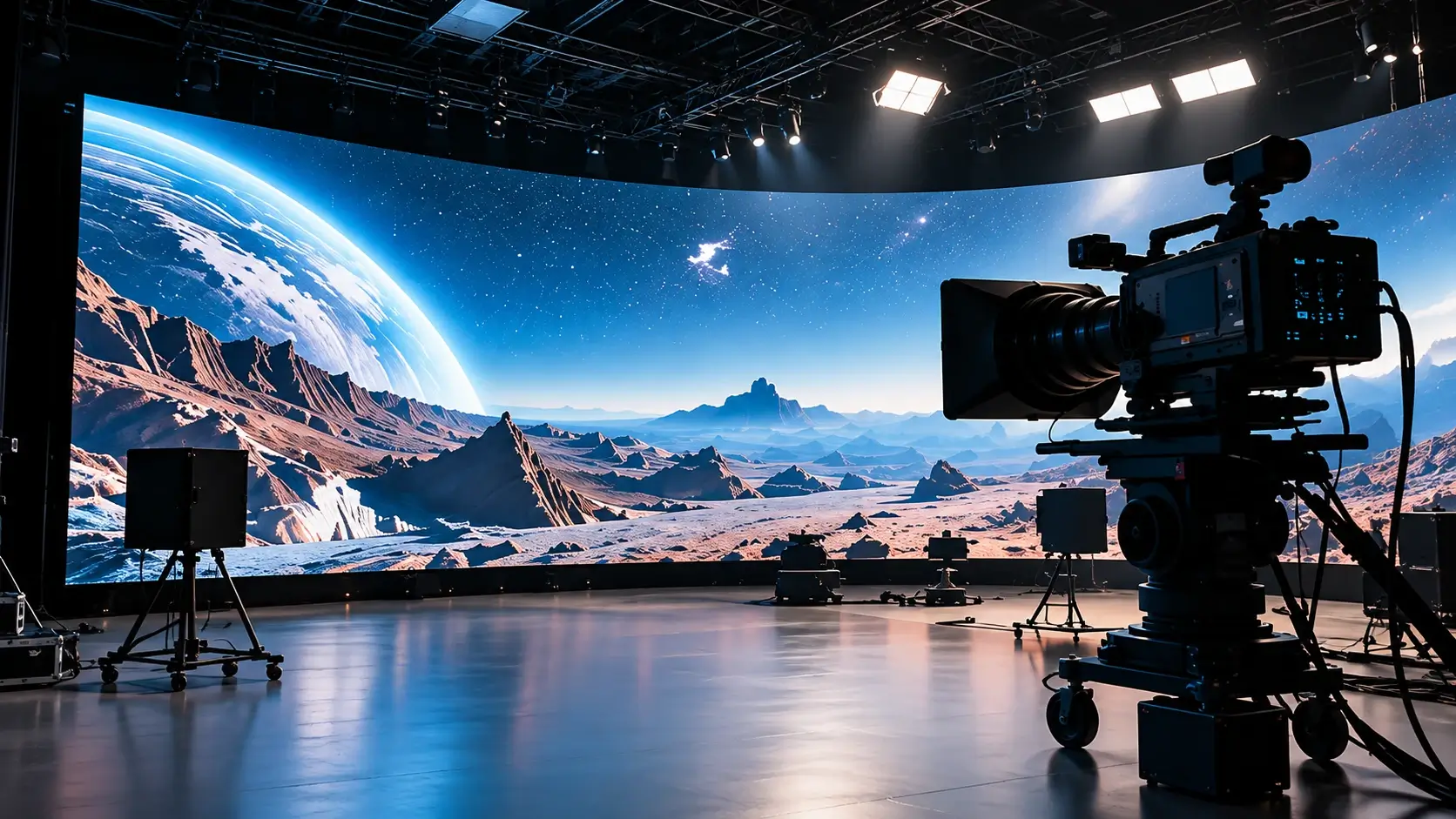
Refresh rate determines how many times the LED screen updates the image per second. A higher refresh rate can reduce visible flicker and improve on-camera performance, especially in professional AV, broadcast and virtual production applications.
1920Hz
Suitable for most indoor commercial displays and general content playback.
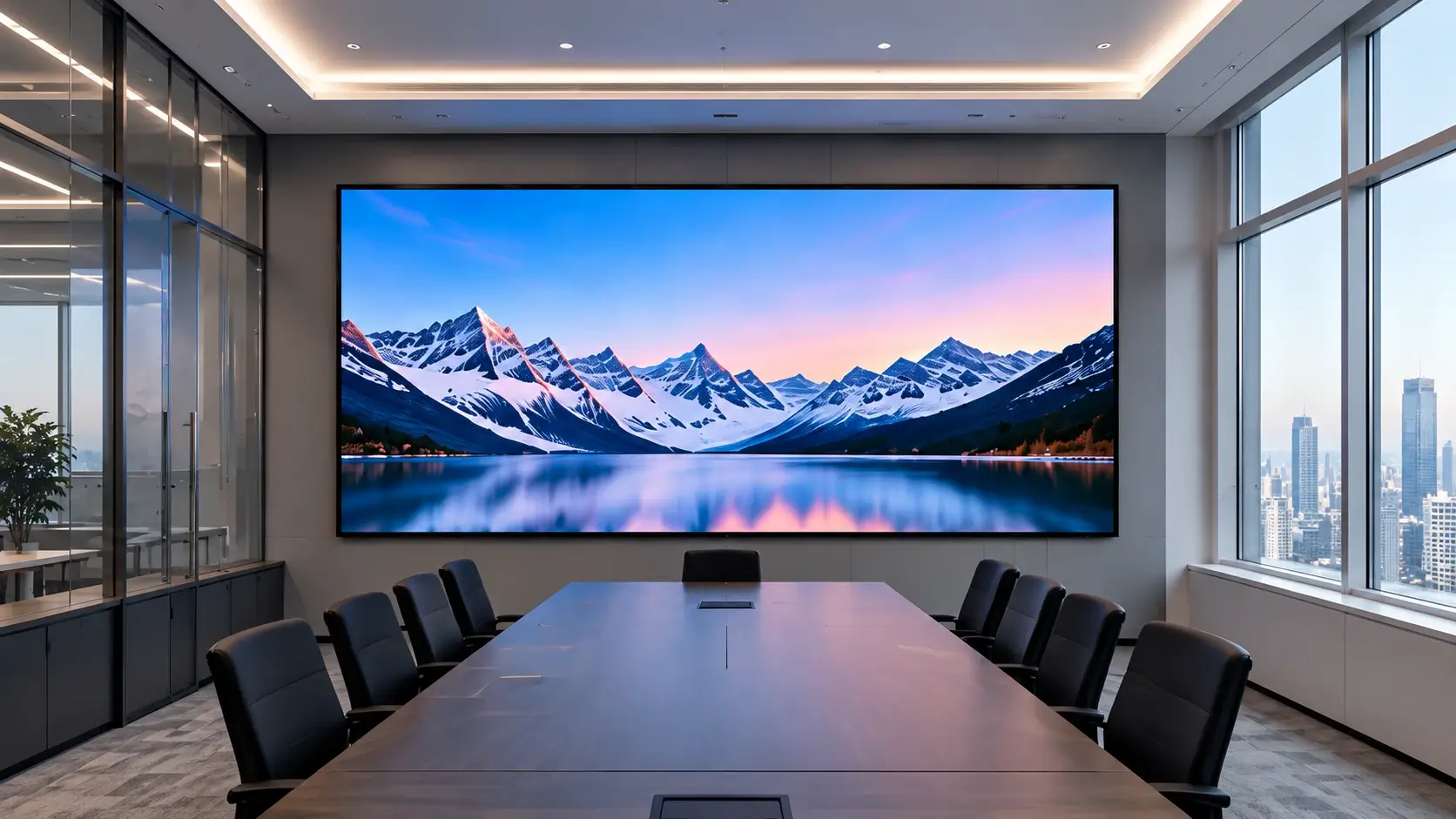
3840Hz
Recommended for professional LED video walls, presentations and applications where cameras may be used.
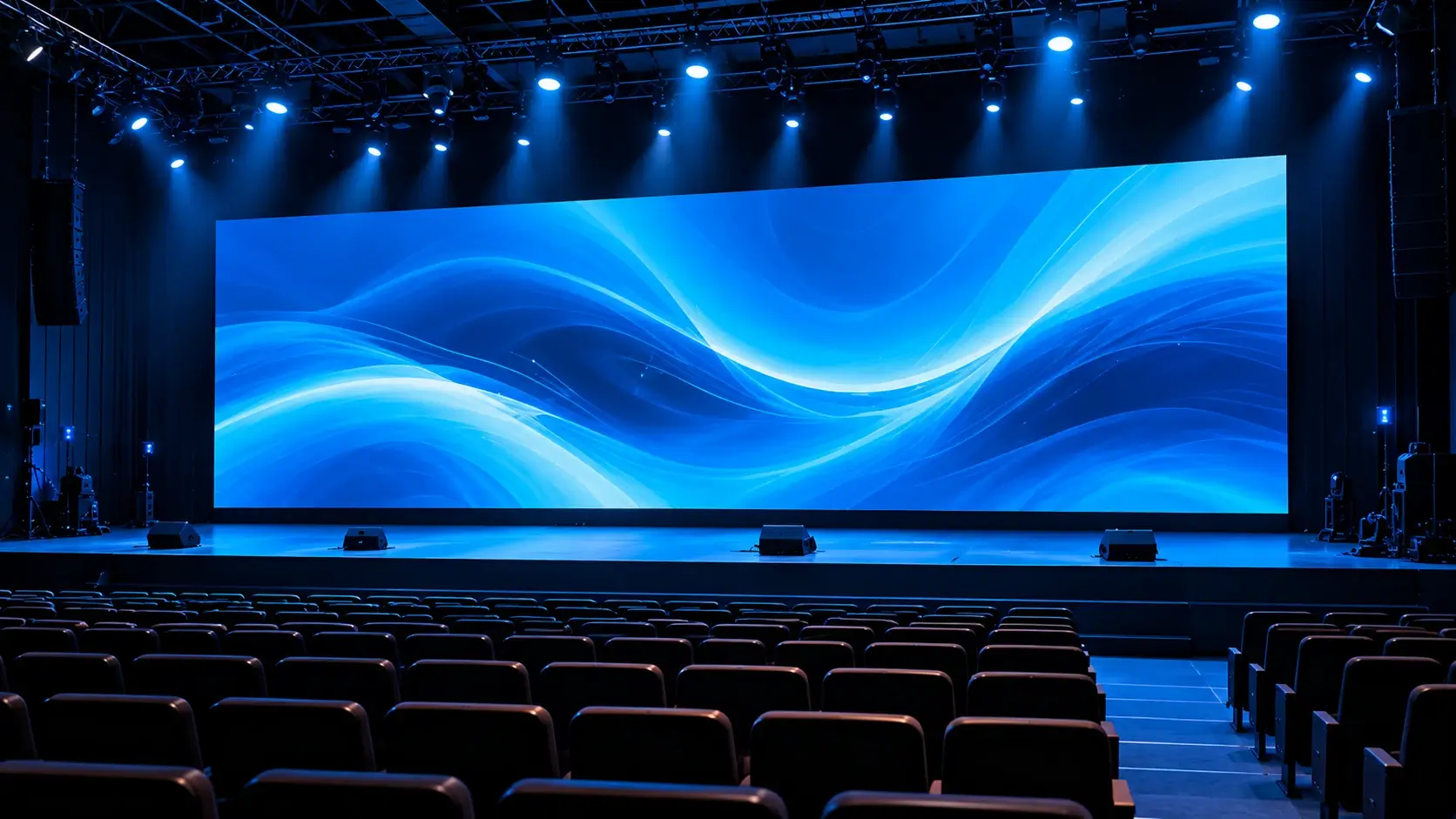
7680Hz
Designed for demanding camera, broadcast and virtual production environments where flicker control is critical.
Refresh Rate ≠ Frame Rate
Refresh rate describes how often the LED display refreshes the image, while frame rate describes how many video frames are delivered each second. They are related, but they are not the same specification.
Buyer Tip
If the LED wall will be filmed regularly, discuss camera requirements, scan mode and refresh rate with the supplier before confirming the display specification.
Understanding LED Video Wall Power Consumption
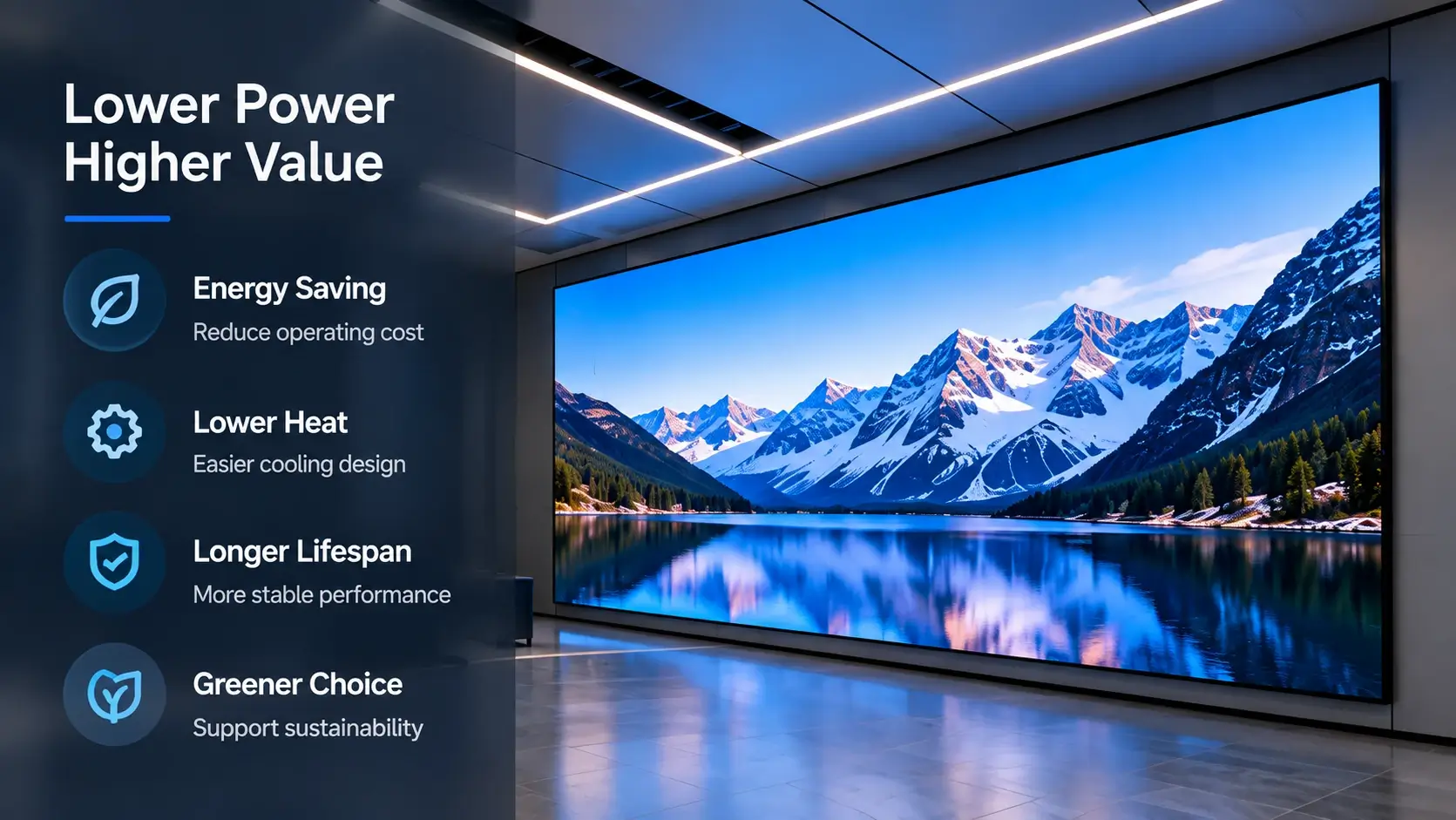
LED video wall power consumption depends on screen size, brightness, display technology and the content being shown. Understanding both maximum and average power helps estimate electrical requirements and long-term operating costs more accurately.
Maximum Power vs Average Power
The highest power demand the LED display may reach under demanding operating conditions.
Typical power consumption during normal operation is usually lower than the specified maximum value.
Use maximum power when checking electrical capacity, but use realistic average power assumptions when estimating long-term energy consumption.
Power Consumption in Real-World Use
Actual power demand changes with brightness settings, content and operating conditions.
Brightness
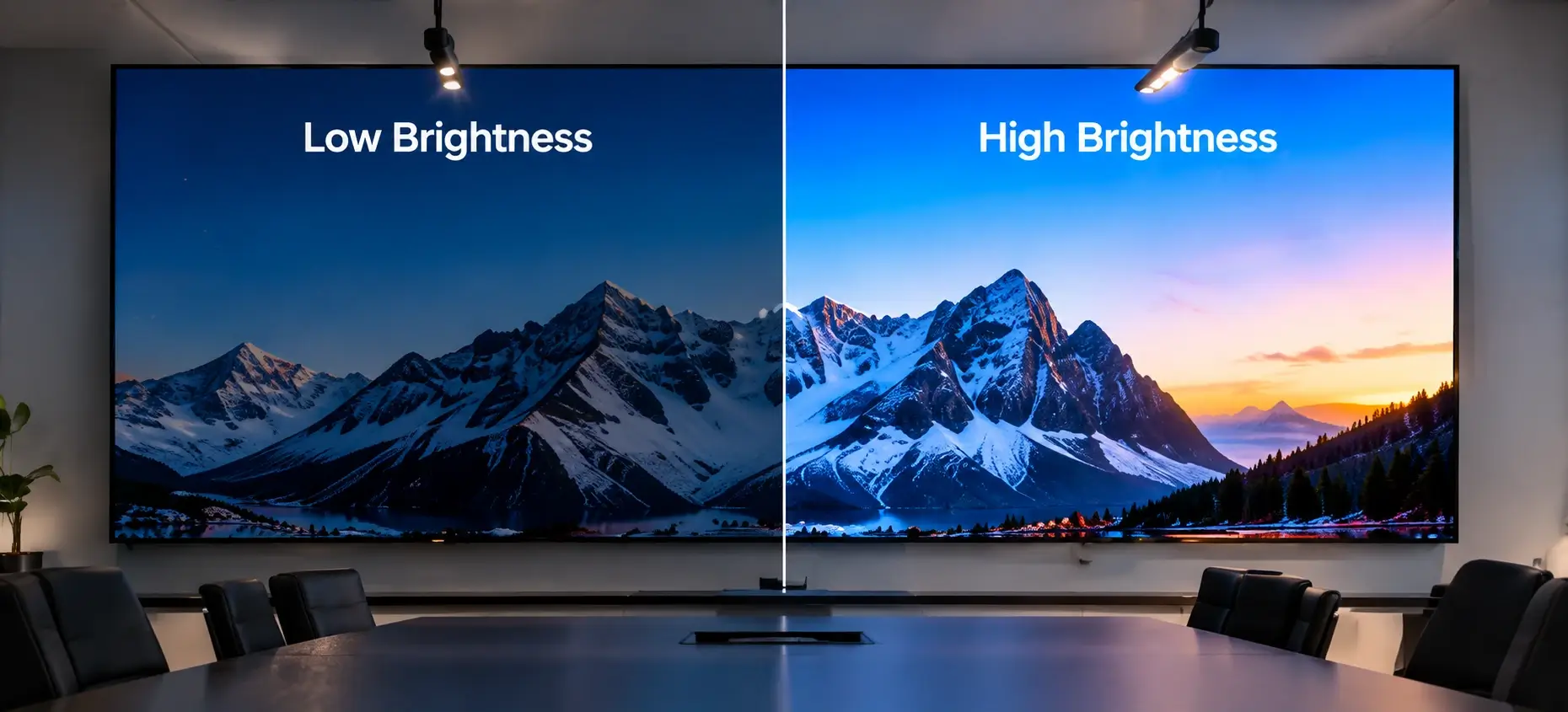
Higher brightness generally increases LED display power consumption. Indoor projects often require less brightness than outdoor installations.
Display Technology
LED packaging, driver design and power architecture can affect energy efficiency, heat generation and overall power demand.
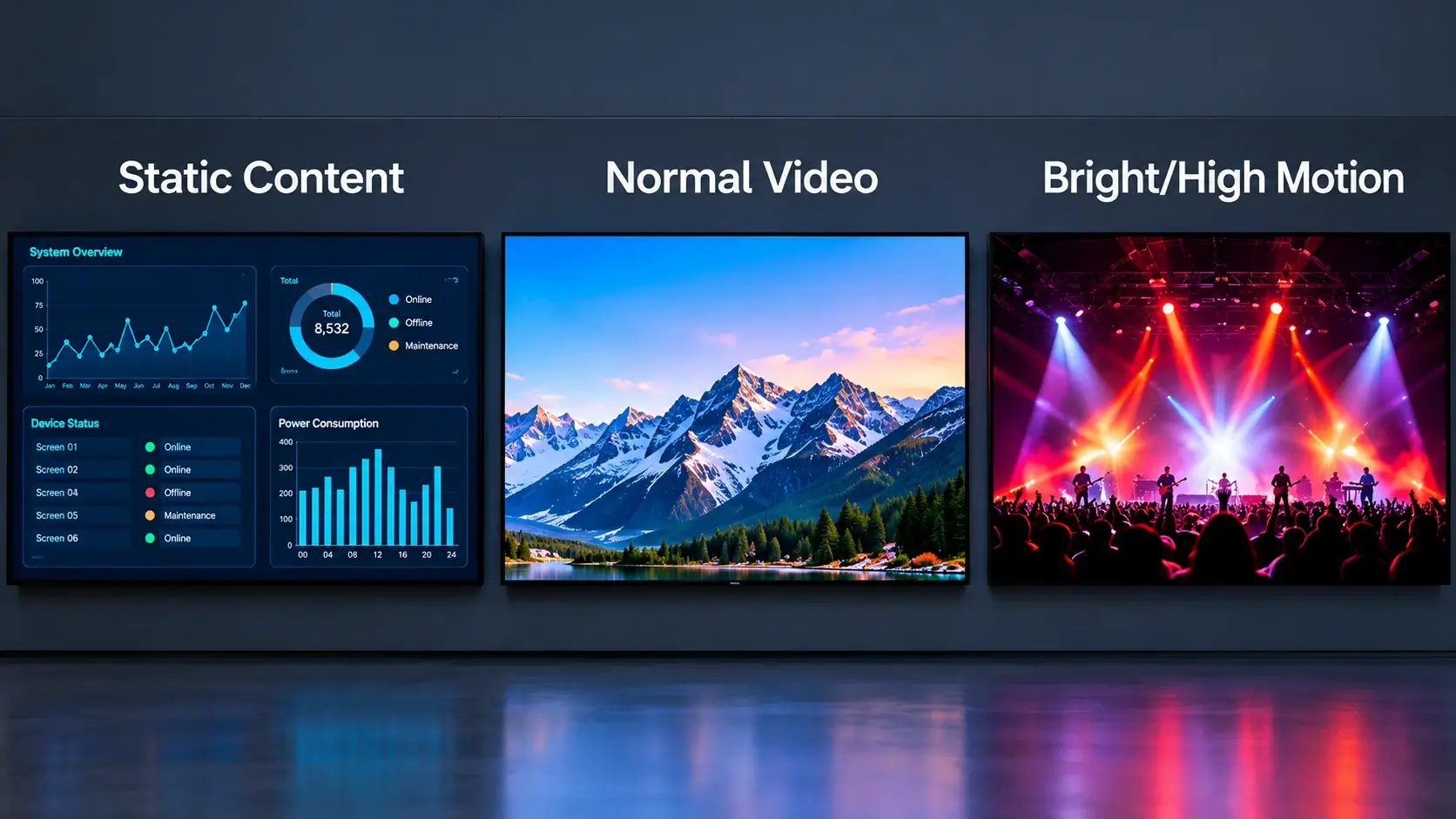
Content & Usage
Bright content, operating hours and display settings can significantly change real-world energy consumption over time.
How Long Does an LED Video Wall Last?
LED video wall lifespan depends on LED quality, operating temperature, brightness settings, power design and maintenance. Understanding these factors helps estimate long-term reliability and total cost of ownership.
What Affects LED Display Lifespan?
LED chips, driver ICs, power supplies and thermal design all influence long-term stability.
Excessive heat can accelerate component aging and reduce long-term reliability.
Running a display continuously at very high brightness can increase thermal stress and component wear.
Lifespan should be evaluated together with operating conditions, maintenance access and expected daily usage — not as a single number on a specification sheet.
Long-Term Performance Matters
A well-designed LED video wall should balance image performance, thermal management, serviceability and long-term operating stability.
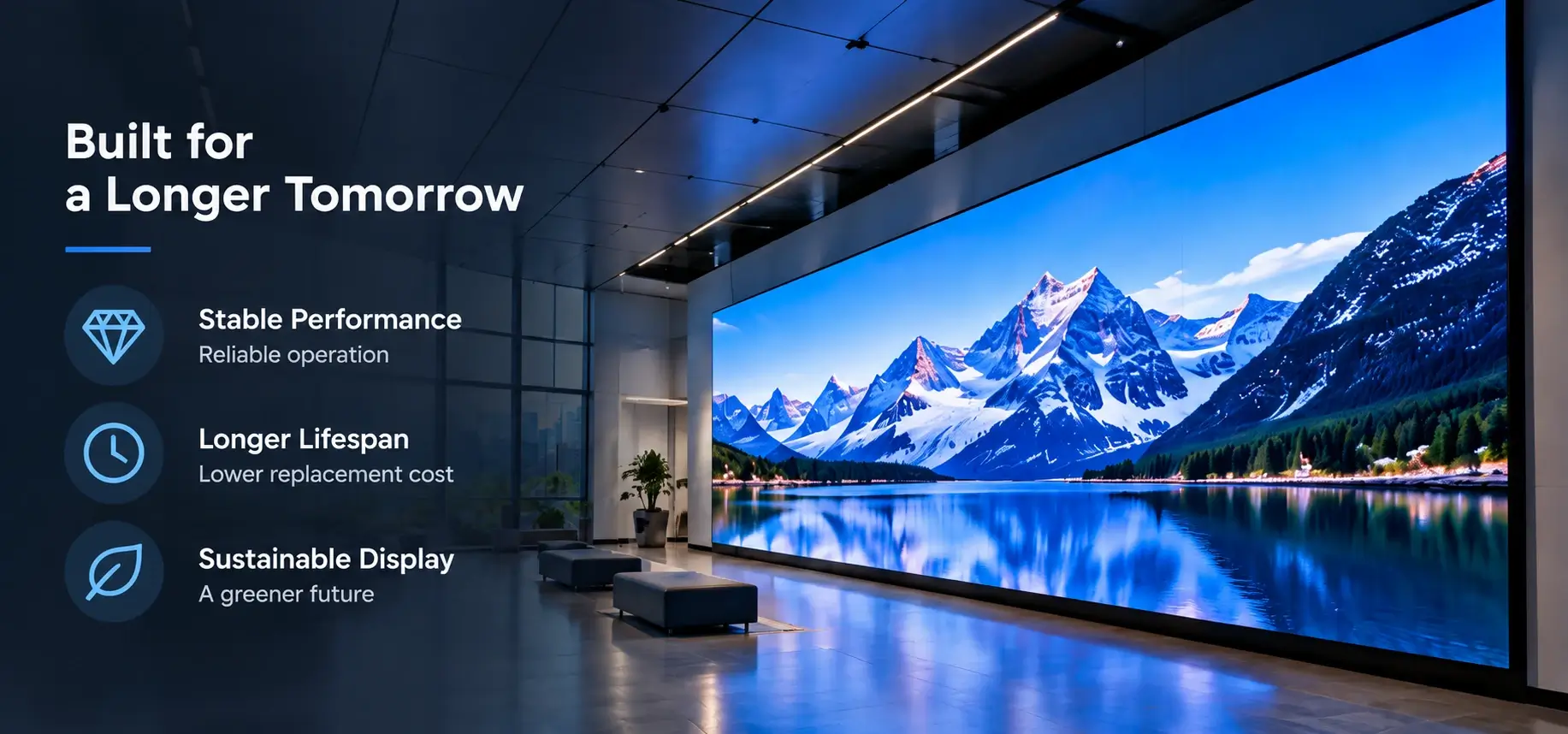
Actual service life depends on operating conditions, component quality, thermal management and maintenance.
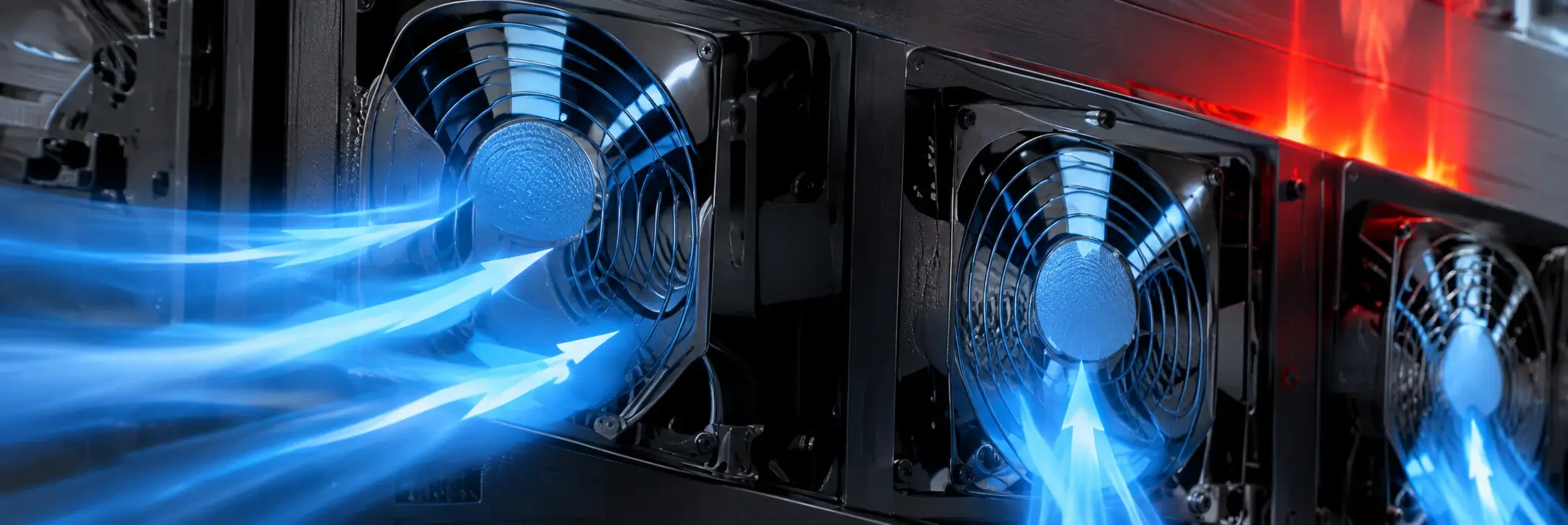
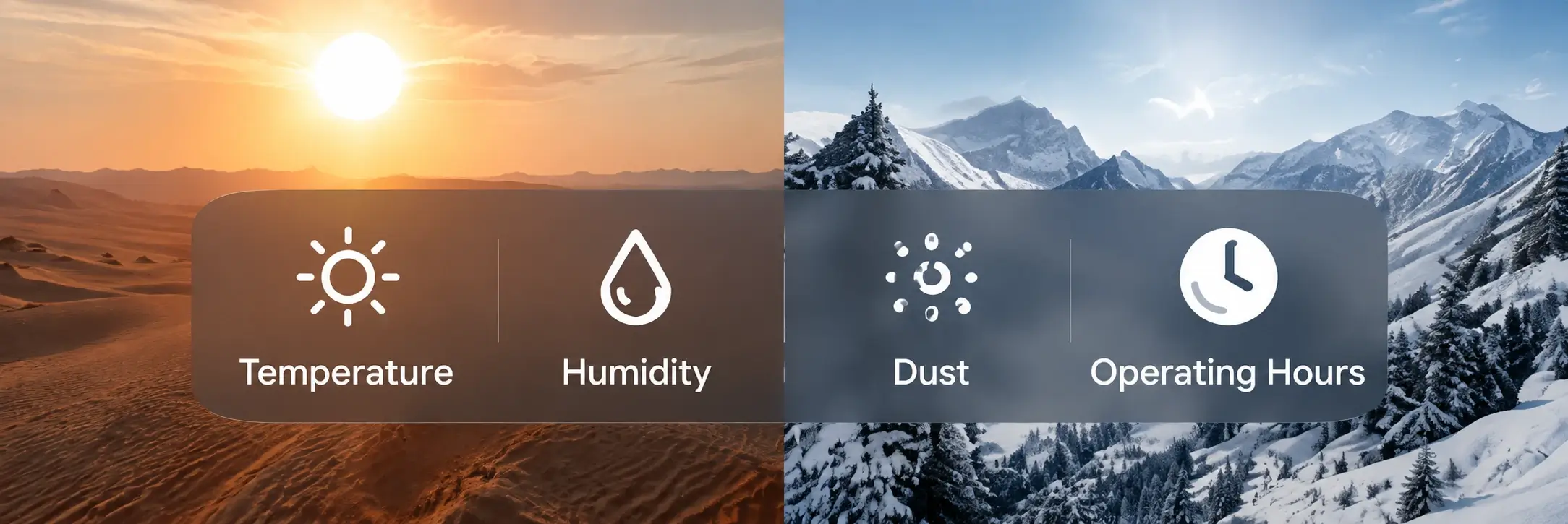
Operating Temperature
Excessive heat can accelerate LED and electronic component aging. Proper thermal design helps maintain stable long-term operation.
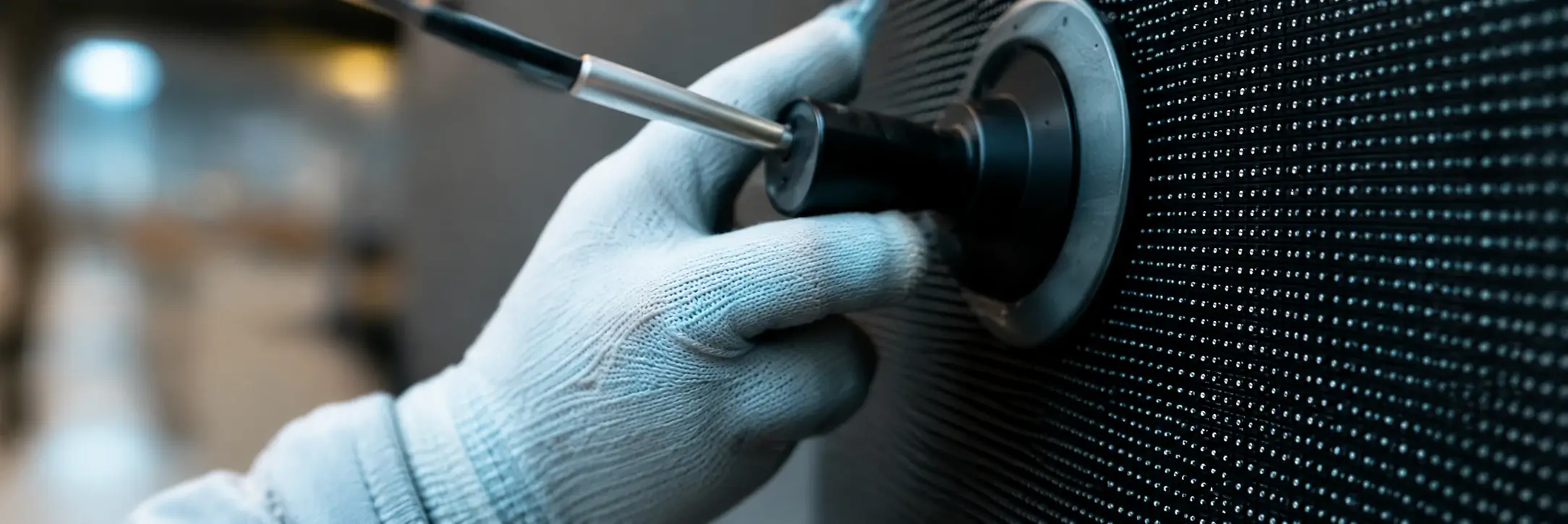
Brightness & Operating Hours
Running an LED display at very high brightness for long periods increases thermal stress and can affect long-term performance.
Maintenance & Serviceability
Accessible modules, available spare parts and regular maintenance can help extend the practical service life of an LED video wall.
How to Choose the Right LED Video Wall Supplier
Choosing an LED video wall supplier involves more than comparing product specifications and price. Manufacturing consistency, technical support, project experience, spare parts and after-sales service can all affect the final project outcome.
Supplier Evaluation Checklist
Use the following key factors to evaluate and compare LED video wall suppliers.
Ask how LED modules, cabinets and complete displays are tested for consistency and reliability.
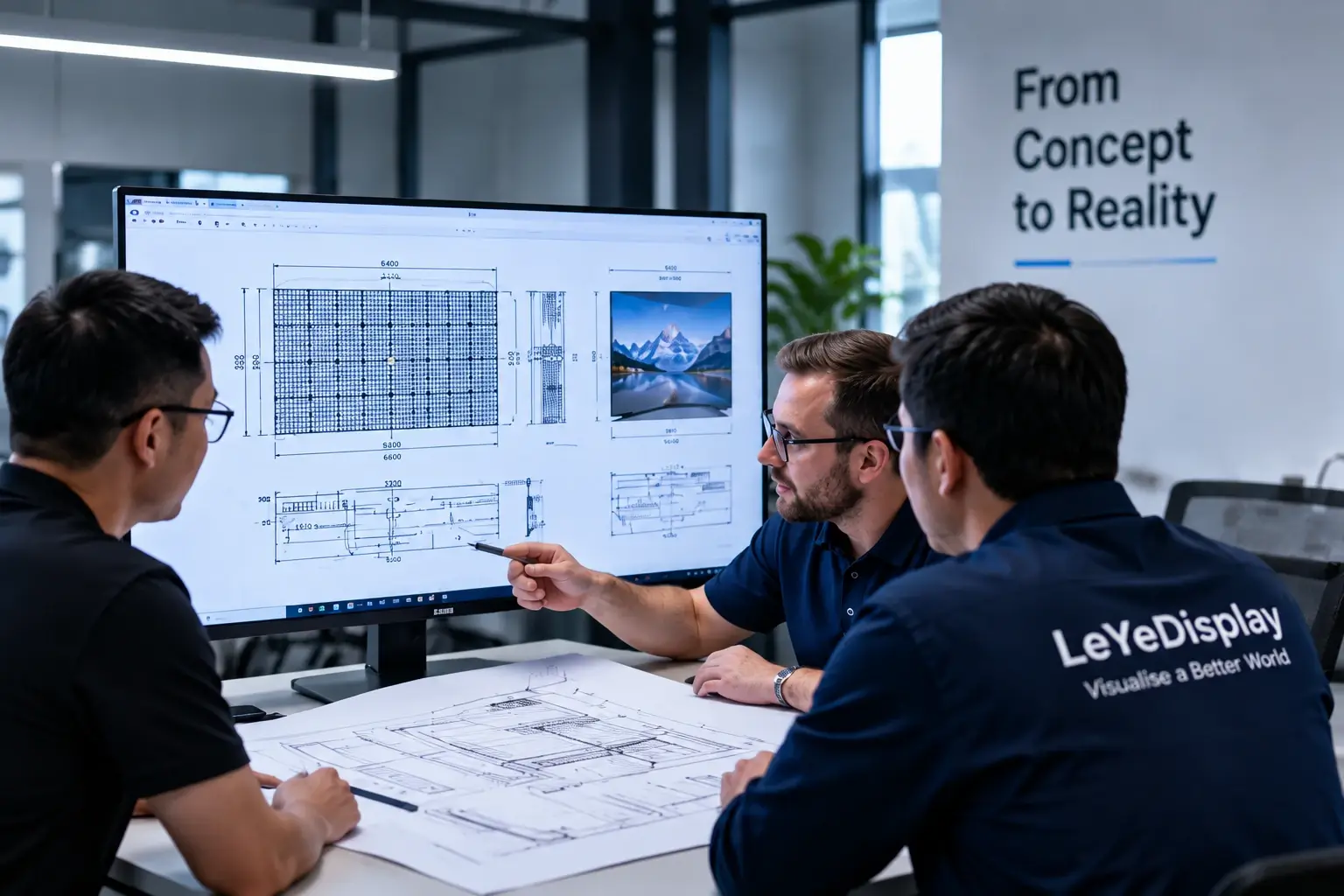
A reliable supplier should provide detailed specifications, drawings, user manuals and system configuration guidance.
Look for suppliers who can support screen design, control systems, installation planning and technical guidance when needed.
Confirm spare module strategy, replacement availability and how quickly spare parts can be supplied.
Check the warranty terms and the supplier’s after-sales response, including remote support and on-site service if required.
A supplier with similar project experience can help identify installation, environment and application risks earlier.
Don’t compare suppliers by quotation alone.
A lower initial price may not mean a lower total project cost if technical support, spare parts or long-term service are limited.
Before You Place an Order
Confirm these details with your LED video wall supplier before production begins.
- Ask for project drawings
- Confirm spare parts
- Clarify support scope
Choosing an LED Video Wall for Different Applications
The right LED video wall specification depends on where and how the display will be used. Viewing distance, ambient light, camera use, installation environment and operating hours can all change the project requirements.
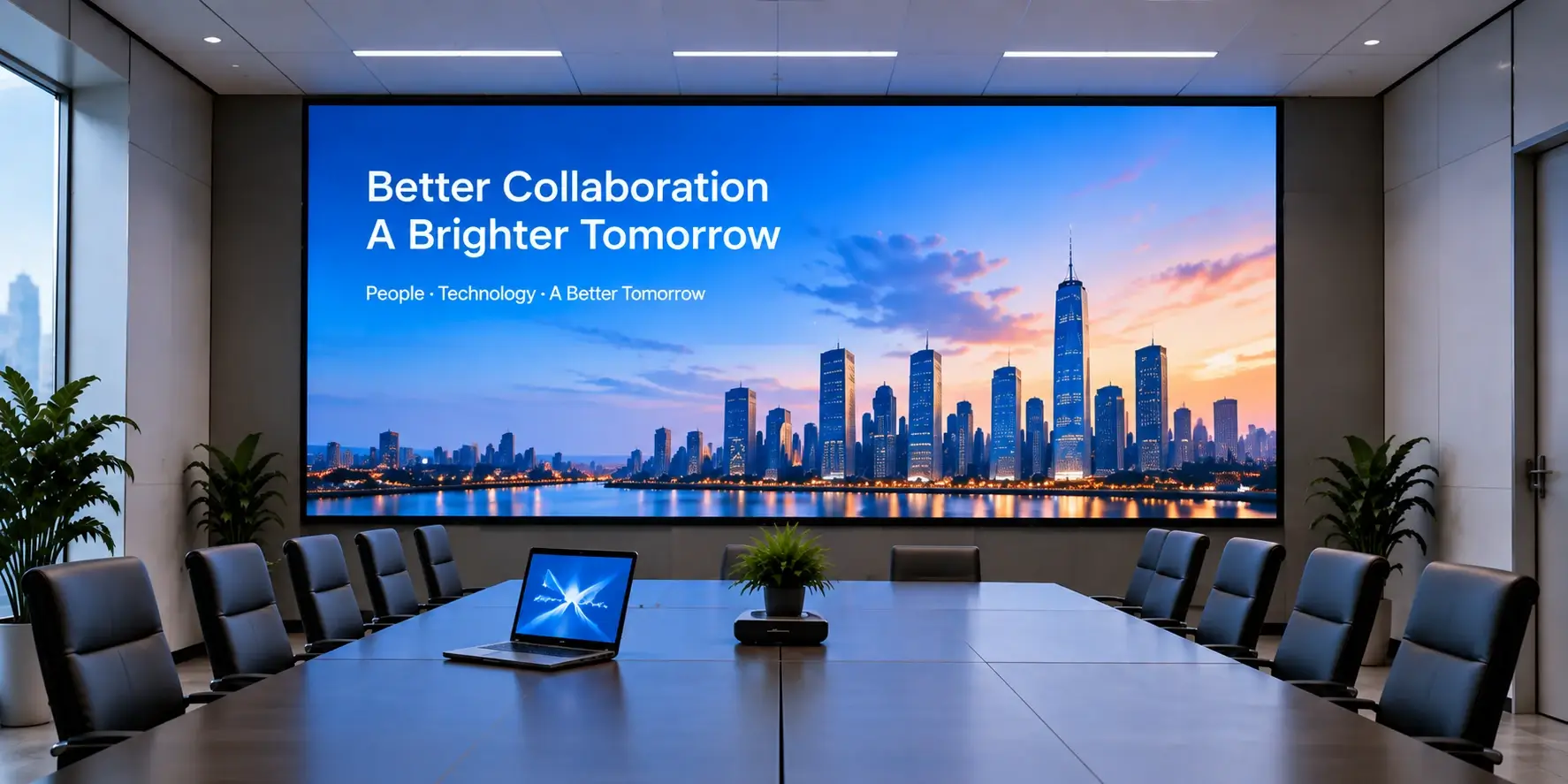
Meeting Rooms
Ideal for corporate meetings, presentations and video conferences, with close viewing distance and high image clarity.
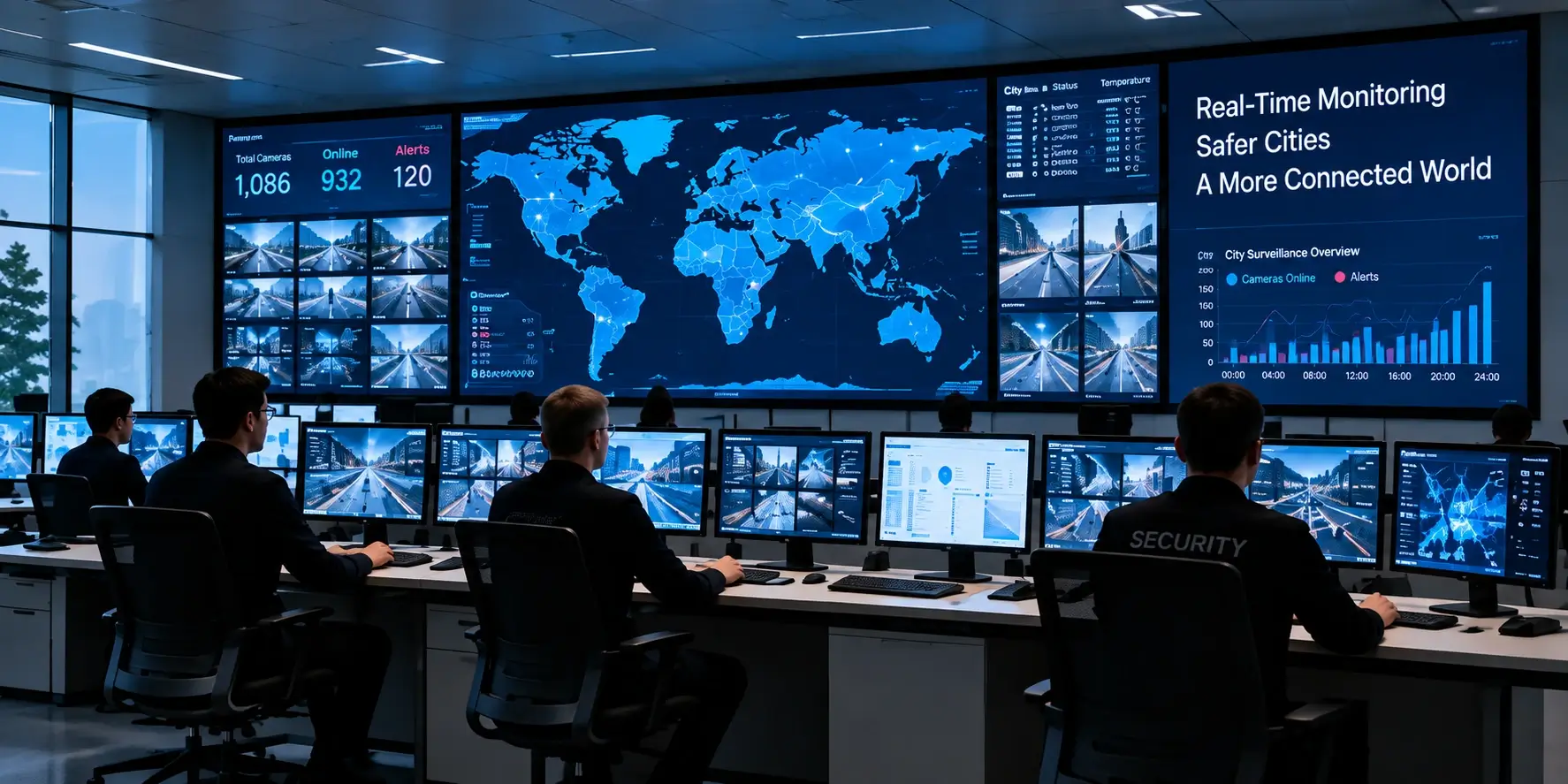
Control Rooms
Designed for 24/7 operation in control centers, with high reliability, stable performance and clear information display.
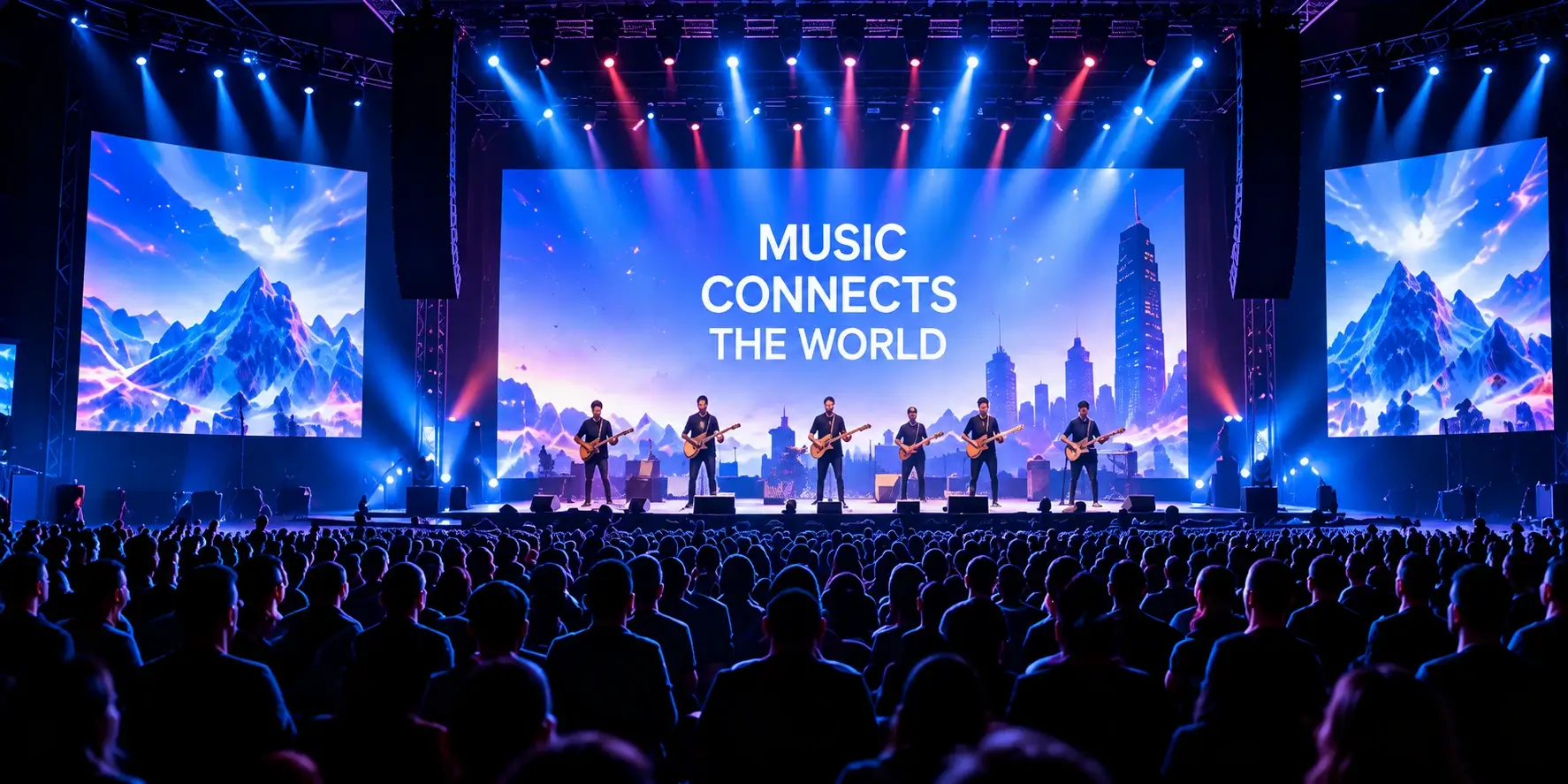
Stage & Rental
For concerts, events and touring, featuring high refresh rate, fast installation and durable performance.
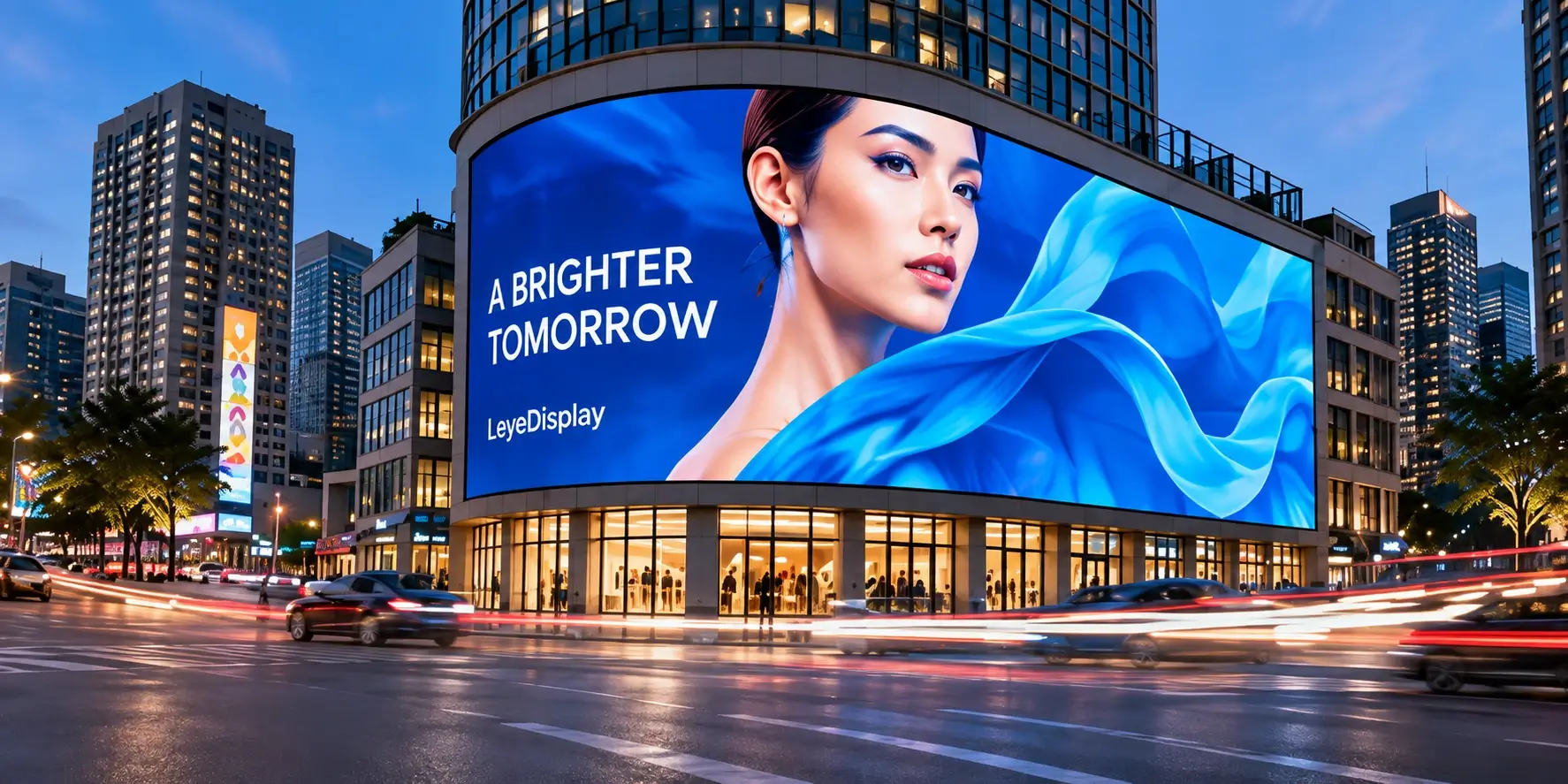
Commercial & Outdoor
Suitable for advertising, retail, public spaces and outdoor events, with high brightness, weather protection and long viewing distance.
Start with the application, not the specification.
Pixel pitch, brightness, refresh rate and display technology should be selected around the actual viewing environment and project requirements.
LED Video Wall Buying Checklist
Before requesting a quotation, define the key project requirements below. Clear project information helps suppliers recommend the right LED display configuration and provide a more accurate proposal.
Application & Environment
Define where the LED video wall will be used, such as meeting room, control room, stage, retail or outdoor, and consider indoor or outdoor conditions.
Screen Size & Installation Space
Confirm the total screen size, aspect ratio and available installation space, and check for any structural limitations such as walls, columns or load-bearing capacity.
Viewing Distance & Pixel Pitch
Estimate the typical viewing distance to determine the appropriate pixel pitch, so the audience can enjoy a comfortable and clear visual experience.
Brightness & Ambient Light
Evaluate the ambient light conditions at the installation site and choose suitable brightness to ensure clear visibility in different lighting environments.
Refresh Rate & Camera Use
For broadcast, virtual production or live events, a high refresh rate is important to avoid flicker on camera and ensure smooth, stable images.
Power & Operating Hours
Consider the average and maximum power consumption, and confirm the expected operating hours (e.g. 8/24/7) to ensure stable and safe operation.
Maintenance & Service Access
Determine whether front or rear maintenance is required, and make sure there is enough space for installation and future service access.
Budget & Supplier Support
Set a realistic budget and evaluate the supplier’s product quality, project experience, technical support and after-sales service.
PROJECT PREPARATION
The more clearly your project requirements are defined, the easier it is to compare LED video wall solutions on equal terms.
Frequently Asked Questions About LED Video Walls
Common questions about LED video wall selection, pricing, pixel pitch, display technology, lifespan and project planning.
What pixel pitch should I choose for my LED video wall?
The right pixel pitch depends mainly on viewing distance, screen size and required resolution. Closer viewing generally requires a finer pixel pitch, while longer viewing distances can use a larger pitch. The goal is to balance image clarity, viewing conditions and project budget rather than simply choosing the smallest pixel pitch.
Is COB better than SMD LED technology?
Neither technology is better for every project. COB offers strong surface protection and is well suited to fine-pitch indoor displays and close viewing. SMD remains a mature and flexible choice for many indoor, outdoor and rental applications. The right choice depends on the application, environment, maintenance requirements and budget.
Is 3840Hz refresh rate enough for LED video walls?
For many professional LED video wall applications, 3840Hz provides smooth visual performance and works well when cameras may be used. Broadcast, virtual production and high-speed filming may require higher refresh rates. Camera performance also depends on scan mode, frame rate and camera settings, so refresh rate should not be evaluated alone.
How much does an LED video wall cost?
LED video wall cost depends on pixel pitch, display technology, screen size, brightness, cabinet design, control system and installation requirements. A complete project may also include mounting structures, spare parts, transportation and technical services. For accurate pricing, compare the total project solution rather than only the price per square meter.
How long does an LED video wall last?
LED displays are designed for long-term operation, but actual service life depends on component quality, operating temperature, brightness settings, daily operating hours and maintenance. Published lifespan figures should be treated as reference values rather than guarantees. Good thermal management and regular maintenance can help maintain stable performance over time.
How much electricity does an LED video wall consume?
Power consumption depends on screen size, brightness, display technology, content and operating conditions. Maximum power represents the highest potential electrical demand, while average consumption during normal use is usually lower. Use maximum power for electrical planning and realistic average consumption when estimating long-term operating costs.
Can LED video walls be serviced from the front?
Yes. Many modern LED video walls support front maintenance, allowing serviceable components to be accessed from the front. This is especially useful for wall-mounted installations or projects with limited rear space. The required maintenance method should be confirmed during project planning because cabinet designs and service structures vary.
Should I buy directly from a manufacturer?
Buying directly from a manufacturer can provide closer access to product configuration, technical support and customization, but manufacturer status alone does not guarantee a successful project. Evaluate quality control, technical documentation, relevant project experience, spare-parts availability, warranty terms and after-sales support before selecting an LED display supplier.
Let's Plan Your LED Display Project
Share your screen size, viewing distance, application and installation environment. Our team will help evaluate the right LED video wall configuration for your project.
- 10+ Years LED Display Experience
- COB & Fine Pitch LED Expertise
- Global Project Engineering Support
CERTIFIED FOR GLOBAL ENGINEERING STANDARDS





Get Your LED Solution Proposal
Share your project details and our engineers will get back to you with a suitable solution.
🔒 Your information is kept confidential and will only be used to respond to your project inquiry.


