





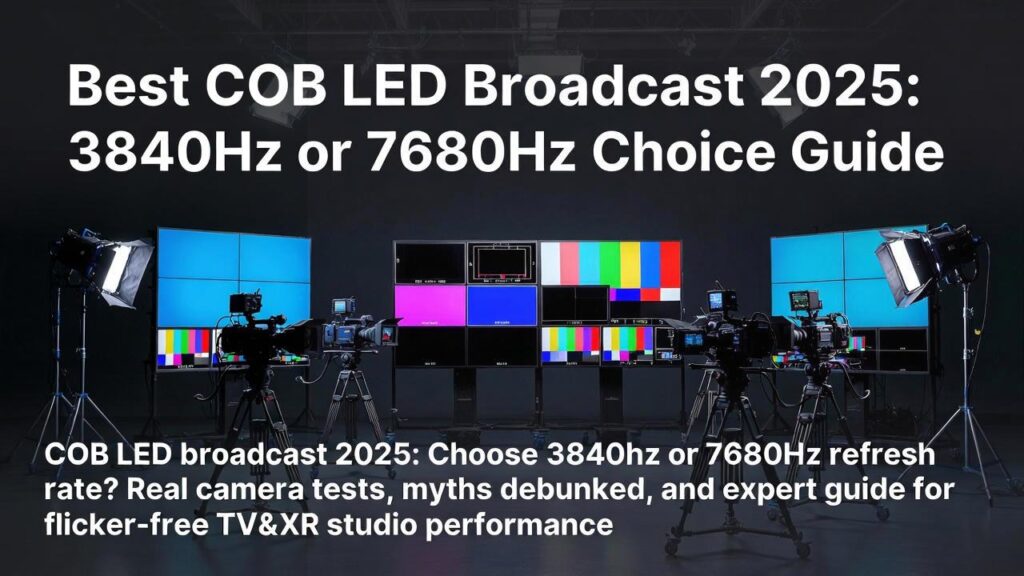
يعد اختيار معدل تحديث البث COB LED في عام 2025 هو الموضوع الأكثر نقاشًا في مشاريع الاستوديو: 3840 هرتز أم 7680 هرتز؟
في كثير من الأحيان، يكون القرار مدفوعًا بأرقام ورقة البيانات بدلاً من أداء الكاميرا في العالم الحقيقي. بصفتها مزودًا محترفًا لحلول شاشات COB LED، شاركت LeyeDisplay في العشرات من عمليات إنشاء استوديوهات التلفزيون وشهدت نفس النقاش. يخترق هذا الدليل الضوضاء لمساعدتك على اتخاذ القرار الصحيح بناءً على احتياجات التصوير الفعلية، وليس مواصفات التسويق. (بقلم. زورا)
استوديوهات بث COB LED: المتطلبات الأساسية في عام 2025
من وجهة نظر هندسة البث، لا يتمثل الهدف النهائي في الحصول على أعلى رقم على الورق، بل في أداء موثوق وملائم للكاميرا كل يوم.
تظل المتطلبات الأساسية لمعظم استوديوهات التلفزيون دون تغيير:
- تصوير خالي من الوميض تماماً
- لا توجد خطوط مسح مرئية عند سرعات المغلاق القياسية
- تدرج رمادي سلس، خاصة في المشاهد منخفضة السطوع
- إعادة إنتاج الألوان بدقة وثبات (خاصة درجات ألوان البشرة)
- استقرار النظام واتساقه على المدى الطويل
توافق الكاميرا: الاختبار الحقيقي
تعمل كاميرات البث الرئيسية بمعدلات إطارات 50 هرتز أو 60 هرتز.
سرعات الغالق الشائعة المستخدمة في الاستوديوهات: 1/50 ثانية، 1/60 ثانية، 1/100 ثانية، وأحيانًا 1/120 ثانية.
في ظل هذه الظروف القياسية
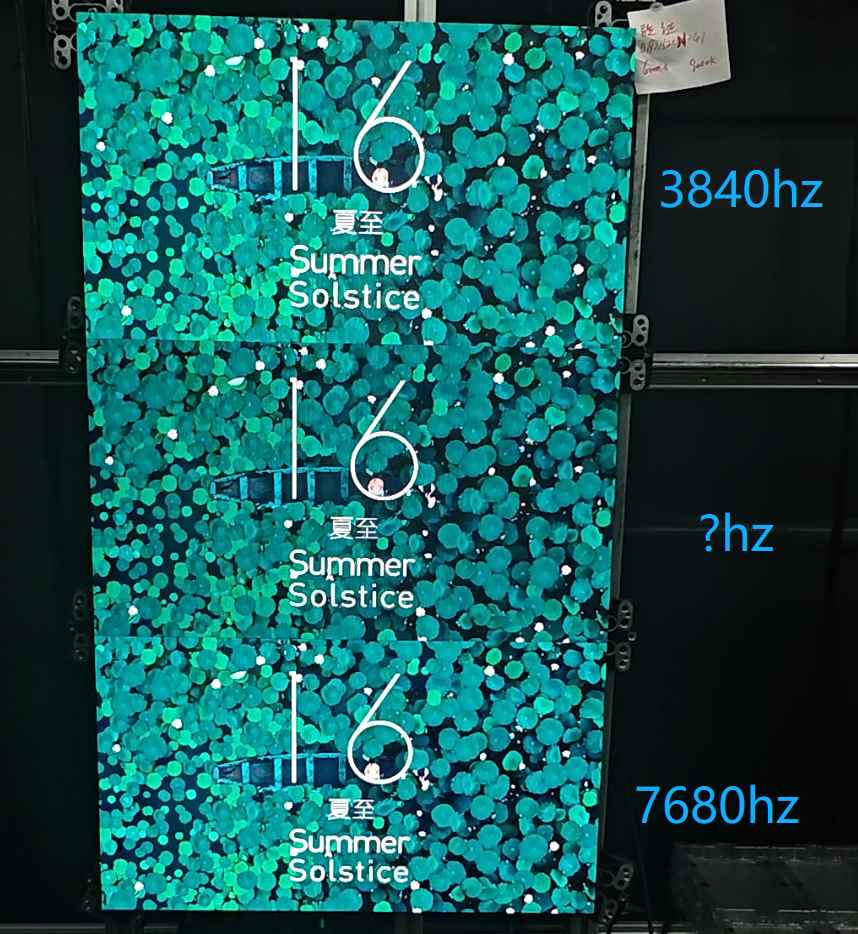
- توفر شاشة COB LED مصممة بشكل جيد بتردد 3840 هرتز 3840 هرتز بالفعل نتائج خالية من الوميض تمامًا.
- لا تظهر على الكاميرا أي أشرطة متدحرجة أو أنماط تموجات أو تقلبات في السطوع.
- الفرق المرئي بين 3840 هرتز و7680 هرتز غير محسوس فعليًا في الإنتاج العادي.
تعمل الآلاف من الاستوديوهات الاحترافية في جميع أنحاء العالم بما في ذلك الشبكات الإخبارية الكبرى والبرامج الحوارية اليومية والمذيعين الإقليميين - بسلاسة مع أنظمة COB 3840 هرتز لسنوات دون شكوى واحدة متعلقة بالكاميرا.
خرافة بث COB LED: معدل التحديث ≠ جودة الصورة
واحدة من أكثر الخرافات استمرارًا هي أن معدل التحديث الأعلى يساوي تلقائيًا جودة صورة أفضل.
في الواقع، يعتمد أداء التدرج الرمادي وسلاسة السطوع المنخفض على
- جودة برنامج التشغيل IC للسائق وبنيته
- دقة PWM (تعديل عرض النبض)
- عمق البت (معالجة 14 بت مقابل 16 بت مقابل 24 بت)
- خوارزميات المعايرة ومعالجة الصور المتقدمة
- استقرار مصدر الطاقة والإدارة الحرارية
غالبًا ما يتفوق نظام COB المحسّن بشكل صحيح بتردد 3840 هرتز مع دوائر متكاملة متميزة للتشغيل على نظام 7680 هرتز ضعيف الضبط، خاصةً في المشاهد المظلمة حيث تكون التدرجات السلسة ودرجات ألوان البشرة الدقيقة أكثر أهمية.
بالنسبة لأعمال البث، يتفوق الاتساق والقدرة على التنبؤ على المواصفات القصوى في كل مرة. لن ينقذ معدل تحديث أعلى قليلاً جدارًا تمت معايرته بشكل سيئ من انجراف الألوان أو البقع الساخنة.
عندما يكون 7680 هرتز منطقيًا في استوديوهات البث COB LED
هناك سيناريوهات محددة يوفر فيها 7680 هرتز قيمة حقيقية:
- كاميرات عالية السرعة (> 120 إطاراً في الثانية)
- الواقع الافتراضي/مراحل الإنتاج الافتراضي مع الإضاءة المعقدة
- سرعات غالق فائقة (1/200 ثانية أو أسرع)
- المشاريع التي تتطلب المواصفات الفنية فيها صراحةً 7680 هرتز
- التدقيق المستقبلي لترقيات الكاميرا غير المعروفة
في هذه الحالات، يوفر 7680 هرتز هامش أمان إضافي - وليس قفزة في الجودة واضحة في الظروف العادية.
توصيات عملية لمشاريع بث LED COB COB
استناداً إلى الخبرة العملية مع منشآت البث في جميع أنحاء أوروبا وآسيا وأمريكا الشمالية:
استوديوهات التلفزيون القياسية ومجموعات الأخبار والبرامج الحوارية
← اختر مصباح LED COB مع 3840 هرتز + دوائر متكاملة عالية الجودة للسائق + معايرة احترافية
→ توفير كل ما هو مطلوب بأفضل تكلفة وموثوقية مثالية
مراحل XR، والإنتاج السينمائي/الافتراضي، وسير العمل عالي معدل الإطارات
→ ضع في اعتبارك 7680 هرتز كخيار ترقية - اختبر دائمًا باستخدام مجموعة الكاميرا/المصراع الدقيقة أولاً، وقارن جنبًا إلى جنب تحت إضاءة الاستوديو
القاعدة الذهبية: قم دائمًا بتقييم نظام حائط LED + الكاميرا معًا، وليس كمكونات منفصلة.
اختيار بث COB LED - الأداء فوق المواصفات
في تطبيقات البث التي تقودها شركة cob led، نادرًا ما يكون الحل الأفضل هو الحل الذي يحتوي على أعلى رقم في ورقة البيانات.
إنها تلك التي تقدم أداءً متيناً ومناسباً للكاميرا يوماً بعد يوم، وعاماً بعد عام - حتى عندما تصل المواهب متأخرة أو تتغير الإضاءة أو يضغط المخرج على إعدادات الكاميرا.
عندما تتحول المحادثة من “أي معدل تحديث أعلى؟” إلى “كيف يعمل هذا النظام بالفعل على كاميراتنا؟.
في ليي ديسبلاي, ، نحن نساعد الاستوديوهات على اتخاذ هذه القرارات القائمة على الأدلة كل يوم.
هل لديك أسئلة أو تجارب مختلفة مع 3840 هرتز مقابل 7680 هرتز في البث؟ أرسل تعليقًا أدناه - نود أن نسمع منك.